


Bartering in Vietnam isn’t just a shopping tactic—it’s practically a sport, a cultural dance, and a masterclass in negotiation rolled into one.
Whether you're dodging inflated tourist prices in the Ha Giang Loop’s Yen Minh Market or chatting over elephant pants in Hanoi’s Old Quarter, knowing how to barter in Vietnam can be the difference between paying 500,000 VND and walking away with a smile (and your wallet intact) at 100,000.
If you’re wondering how to haggle in Vietnam, looking for Vietnam bargaining tips, or just curious about negotiating prices in Vietnamese markets, this guide has got you covered.
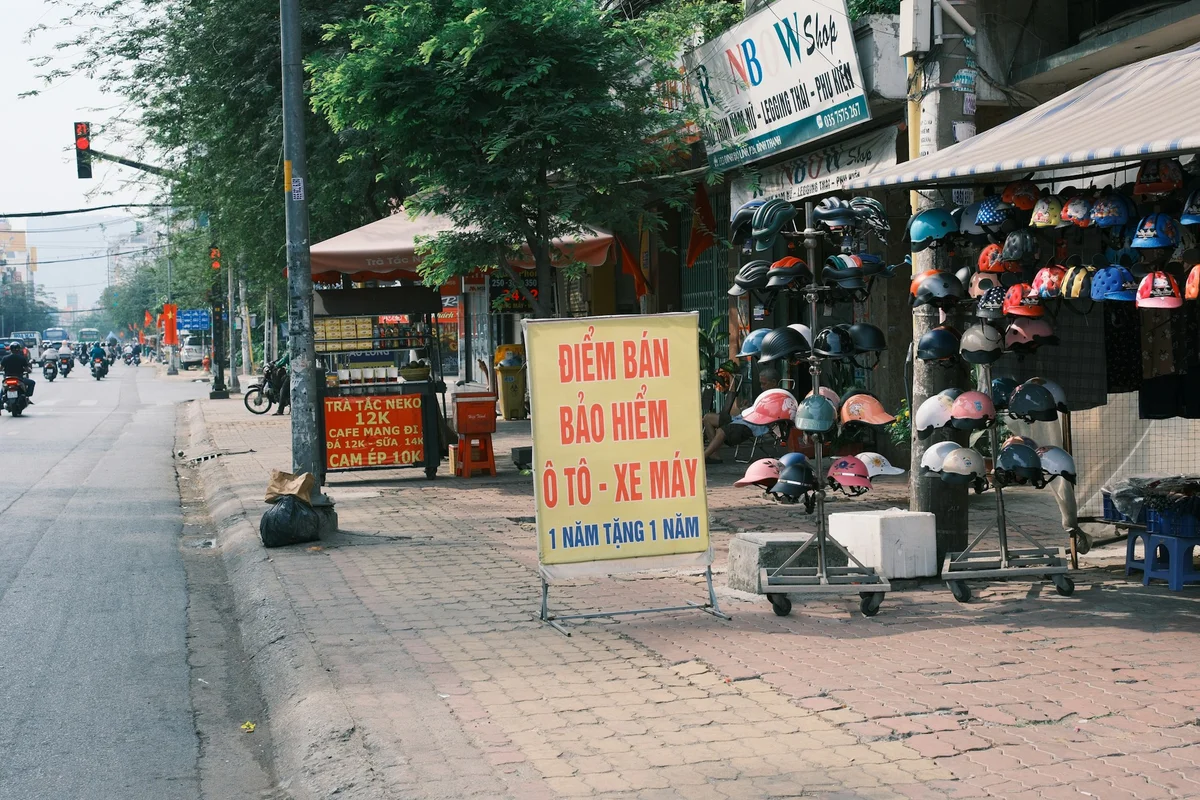
What Is Bargaining in Vietnam and How Does It Work?
Think of bartering in Vietnam as friendly verbal judo. It’s the art of negotiating for a better price—most commonly practiced in traditional markets, street stalls, and tailor shops.
It’s not just about being a thrifty traveler. It’s about cultural connection, a bit of back-and-forth, and sometimes even a chuckle or two.
But be warned: Vietnamese prices can be perplexing and bursty (yes, that’s a word). One moment, a bowl of pho is 50,000 VND. The next, it’s mysteriously halved—just because you smiled with an accent.
Pros and Cons of Playing the Haggle Game
👍 Pros
Get better deals
Cultural experience
Improves your negotiation skills
👎 Cons
Time-consuming
Can be awkward or tiring
Foreigners often start at a disadvantage
Related article: How to Explore North Vietnam on a Budget.
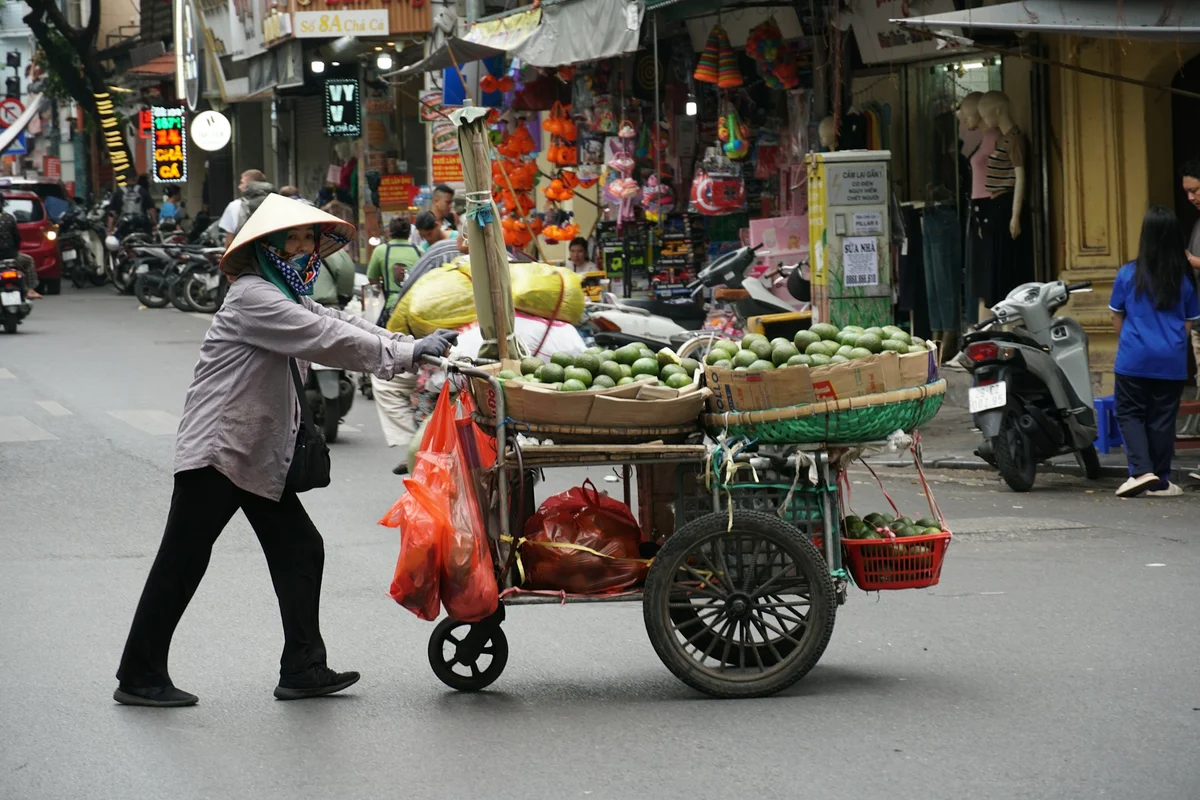
Where and When Should You Barter in Vietnam?
Bartering isn’t universal in Vietnam. In fact, trying to haggle in a mall might just earn you a confused look or a polite "No."
Here’s where you should sharpen your skills:
Traditional Markets
Street markets in Sapa or Dong Xuan Market in Hanoi? You better bring your A-game.
Street Vendors
Souvenirs, snacks, sandals—you name it. If it’s on the street, it’s probably up for negotiation.
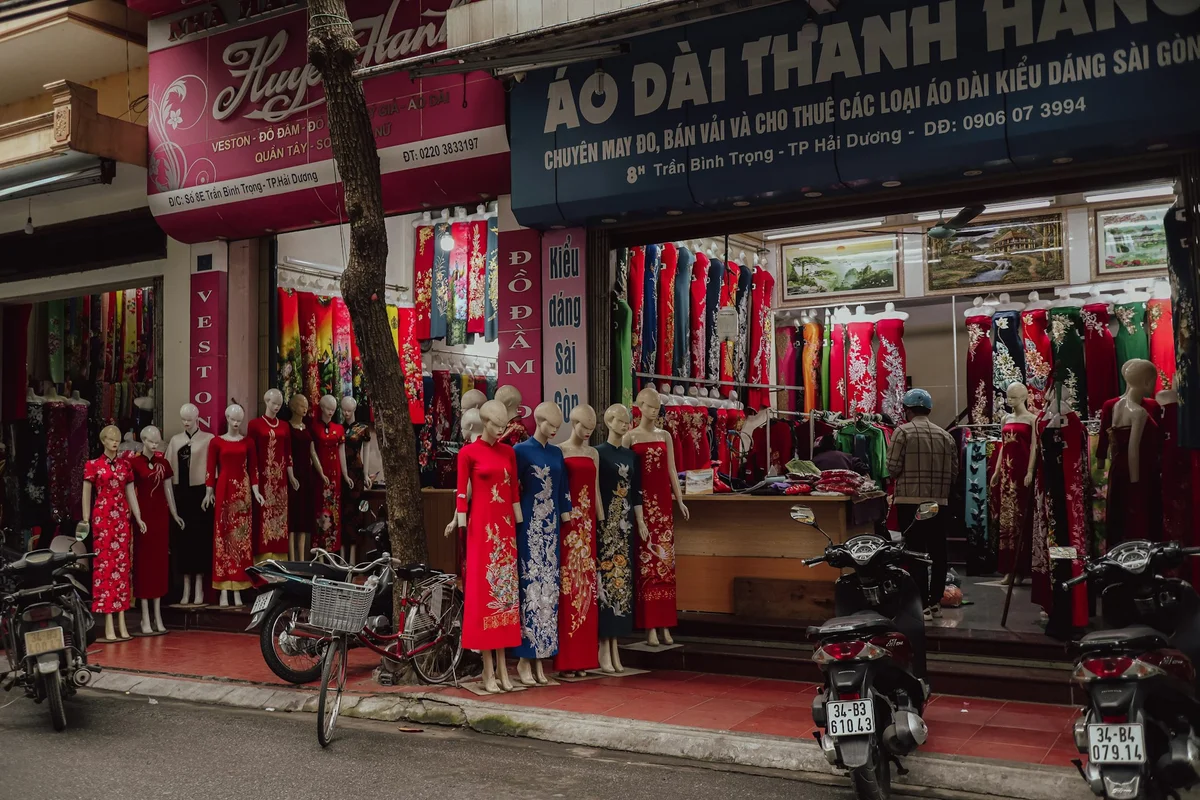
Tailor Shops
Having a custom ao dai stitched up in Hoi An? Negotiating fabric and labor costs is expected.
Tourist Areas
Where tourists go, prices rise. And where prices rise, haggling is not just welcomed—it’s necessary.
Related article: Budget-Friendly Sapa: How to Experience the Highlands Without Breaking the Bank.
The Vietnamese Bargaining Culture: More Than a Money Move
Bargaining in Vietnam isn’t cutthroat. It’s collaborative. It's about finding a sweet spot where both parties feel satisfied.
Vendors aren’t trying to rob you; they’re trying to make a living. You’re not trying to nickel-and-dime them; you're trying to dodge that "tourist tax."
Treat it like a conversation, not a confrontation—and you’ll both walk away with your heads (and deals) held high.
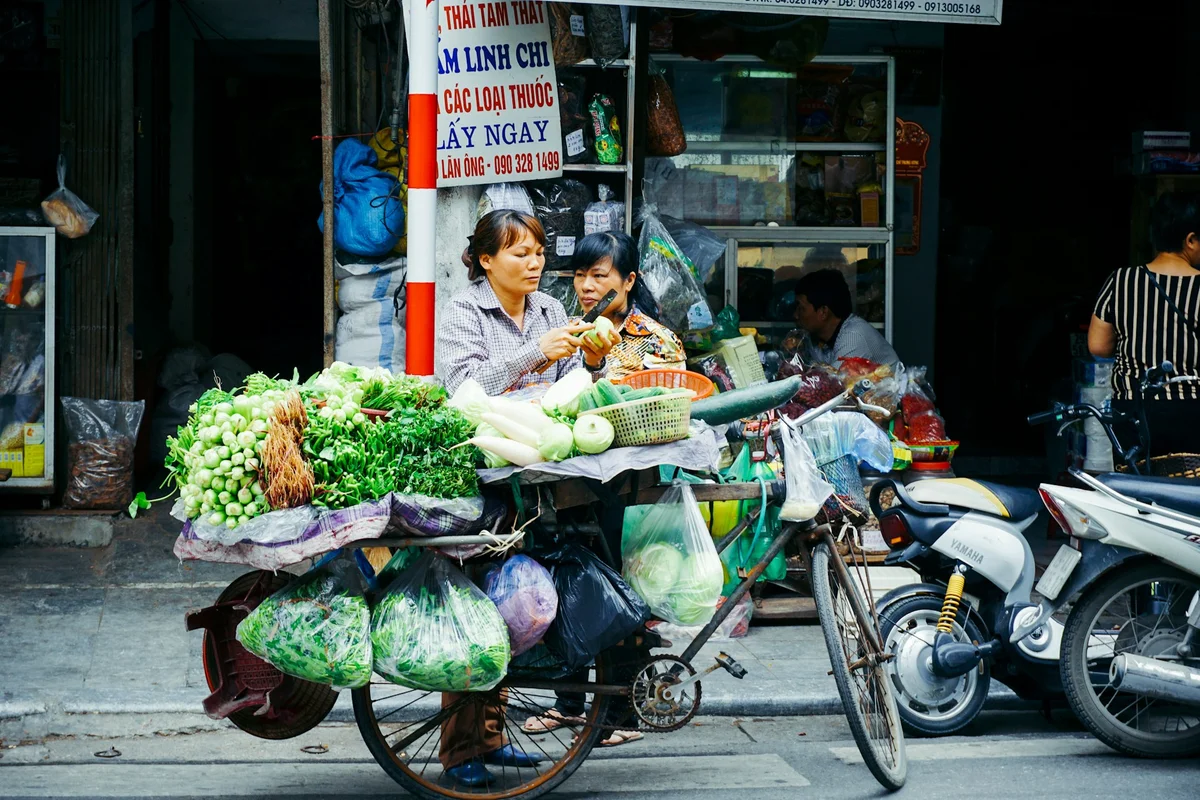
How to Barter in Vietnam Without Breaking a Sweat
1. Do Your Homework Beforehand
Before you dive into the market fray, check prices online, ask your hostel receptionist, or watch what the locals pay. Knowledge is your best defense.
You can also walk around and ask for prices at a few different stalls. This helps you:
Get a sense of the real value.
Identify the average price locals pay.
Strengthen your bargaining position.
2. Don’t Be in a Rush to Spend
Rule of thumb? Start low. Really low.
If a vendor says 200k VND, counter with 60k–80k. They’ll laugh. You’ll smile. Then the real game begins.
So take your time. Vendors often start with inflated prices—especially in touristy areas. If you agree too quickly, you’re likely overpaying.
Rule of Thumb: Start by offering 30–50% of the asking price and aim to settle around 40%.
Tourist Tip: Tourist-heavy markets like Ben Thanh Market in HCMC often mark prices up dramatically. Non-touristy areas usually have fairer, fixed prices.
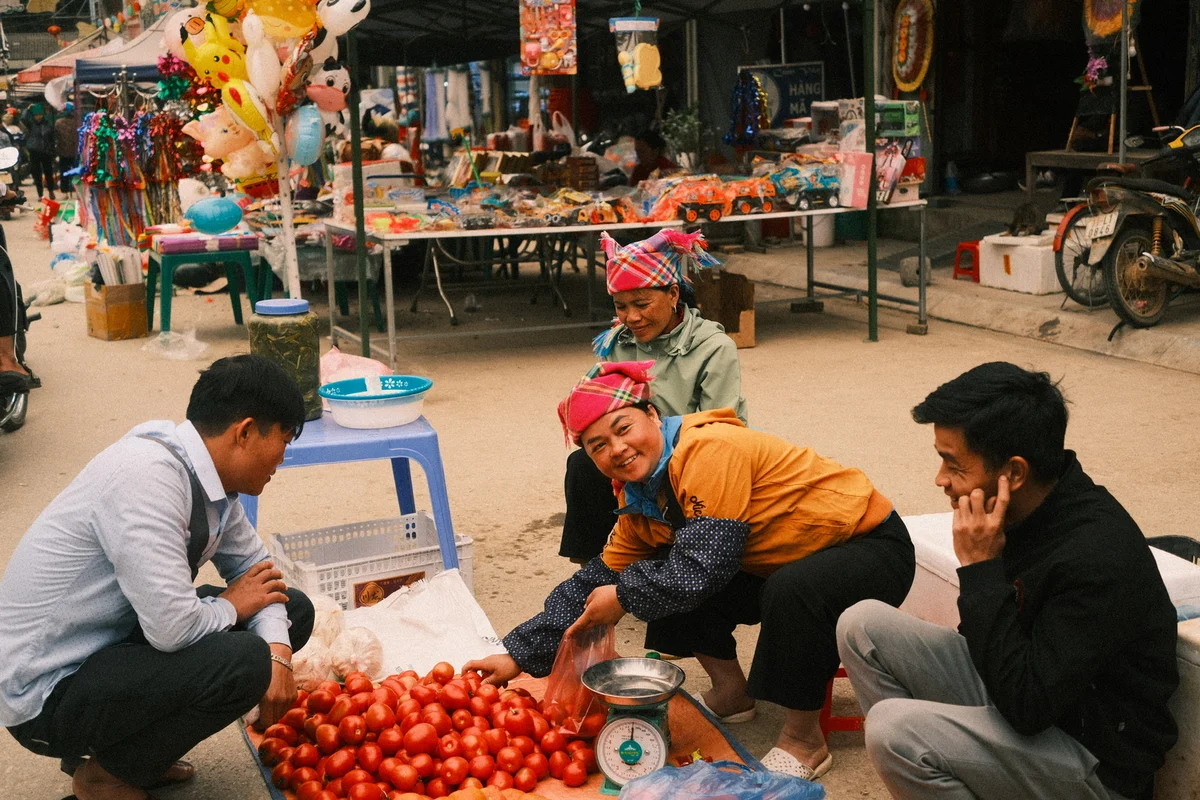 Join Bong Hostel's Secret Tour to Learn the Art of Haggling in Vietnam
3. Learn a Little Vietnamese
A few Vietnamese phrases can go a long way:
"Xin chào" – Hello
"Cảm ơn" – Thank you
"Bao nhiêu tiền?" – How much?
"Giảm giá được không?" – Can you give a discount?
"Đắt quá!" – Too expensive!
Even if you butcher the pronunciation, you’ll earn smiles and maybe a price drop.
4. Be Friendly—Not Feisty
Smile, laugh, and treat the interaction like a game. If you approach it with warmth, you’re more likely to get a better deal and a better experience.
5. Go Early for Morning Blessings
In Vietnam and across Southeast Asia, many vendors believe that the first sale of the day brings good luck. As a result:
You’re more likely to get better prices in the morning.
Some vendors may even take your lower offer just to “bless” the day.
Early bird gets the best bargain!
6. Don't Mention the Other Guy
Avoid lines like “That guy over there offered it for less.” Vendors hate being compared, and it’ll sour the mood faster than fish sauce left in the sun.
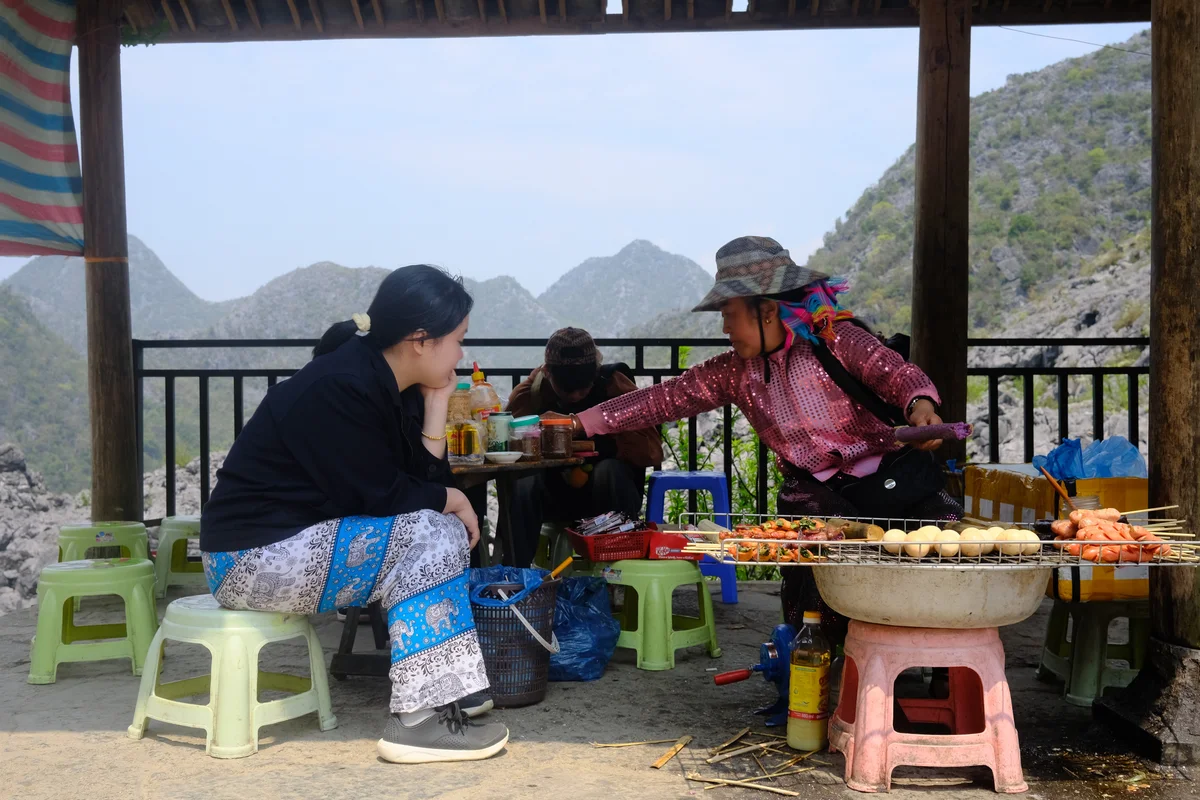
Dong Deals and Currency Tips
7. Use Vietnamese Dong (VND), Not USD
While many sellers accept USD, paying with it usually means:
Higher prices due to rounded exchange rates.
Additional markup for currency exchange inconvenience.
Tip: A T-shirt costing 100,000 VND (~$4.30) might cost you $5 if paid in USD. That 70¢ adds up fast.
8. Watch Those Notes!
Vietnamese currency is colorful—and confusing. (Just ask the Ha Giang Loop Easy Riders who have to force a smile at a 20,000 VND tip for a 4-day tour that was probably supposed to be 500,000 VND).
The best way around the confusing nature of the currency is to get familiar with it quickly.
Commonly Confused
10,000 VND & 200,000 VND
20,000 VND & 500,000 VND
Be Careful!
Similar colors
Easy to mix up
Tip: Keep your high-value bills separated and double-check before handing money over.
9. Break Those Big Bills
ATMs love to spit out 500k notes. Vendors? Not so much.
Break large bills at convenience stores, restaurants, or your hostel.
Street vendors may not have change—and you could lose your balance or waste time.
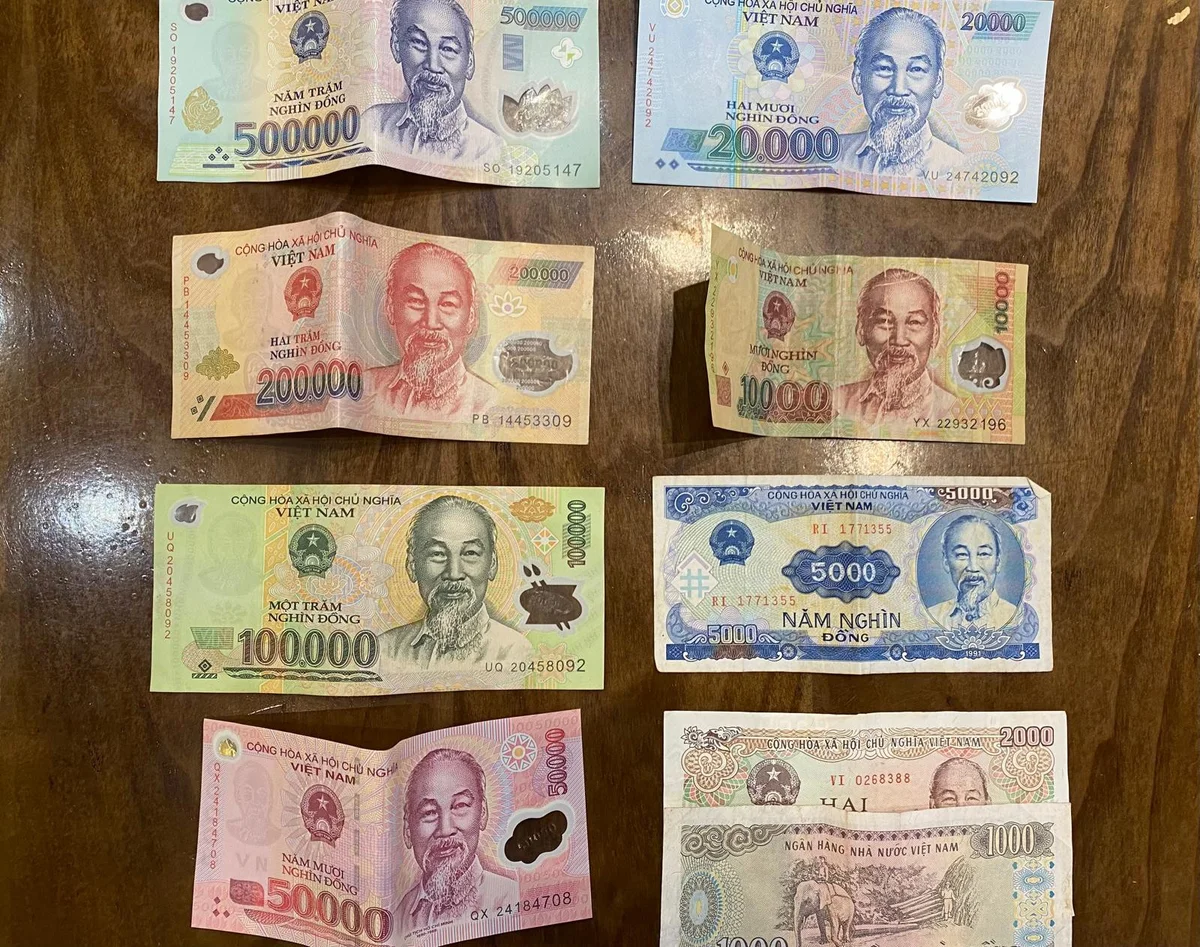 The Best Way Around the Confusing Currency is to get Familiar with it Quickly.
Smart Bartering Hacks for Travelers
10. Use Your Phone (But Discreetly)
Apps like XE Currency or Google Translate can help you avoid being the “easy target” tourist. But keep your calculator ninja-like—don’t flash it too much.
11. Use Bulk Buying to Your Advantage
Want two or more of the same item? Use that to drive the price down.
Offer a lower price per item in exchange for buying multiples. You’d be surprised how much that tactic works.
Example:
A vendor quotes 200,000 VND for one pair of elephant pants.
You negotiate to 100,000 VND.
Then offer 160,000 VND for two pairs (just 80,000 each).
That’s 40% of the original price—success!
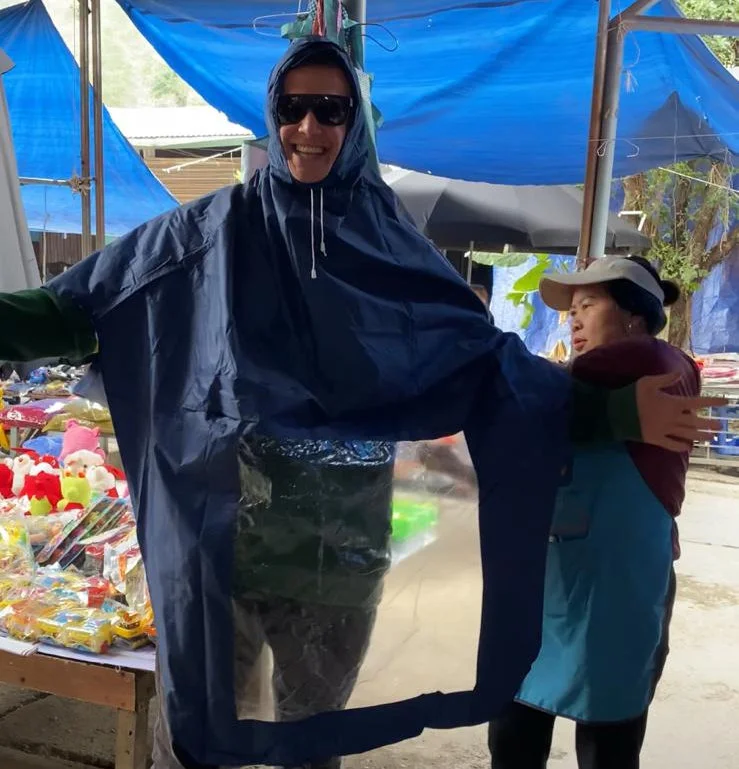 Haggling in Meo Vac Market for that Last Minute Poncho---Don't Forget Bartering is Easier with a Smile!
12. Watch What the Locals Do
Bartering in Vietnam is a social dance.
Observe how locals negotiate.
Look at body language, listen to prices, and copy their approach.
Friendly smiling and joking go a long way.
Bargaining isn’t a battle—it’s a game. Vendors respect confident, polite hagglers more than aggressive ones.
13. Master the Art of Walking Away
If it’s not working out, just walk away with a polite “Không, cảm ơn” (No, thank you). More often than not, you’ll hear a sudden “Okay okay! Come back!” as you exit.
No callback? No worries. There are probably three other stalls selling the exact same thing within arm’s reach.
Related article: North Vietnam Travel Tips: 30 Essential Tips for Travelers in 2025.
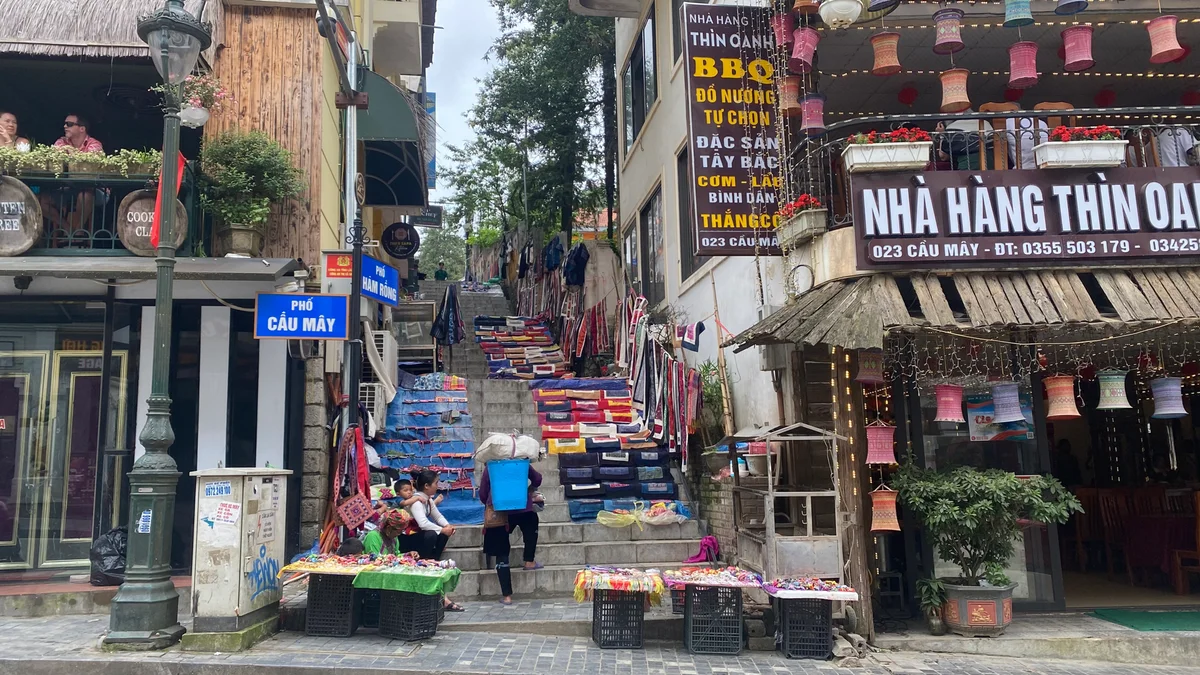
Don’t Fall into These Tourist Traps
14. Rushing the Sale
Bartering takes time. If you’re in a rush, you’re more likely to pay more.
15. Over-Bargaining
Sure, bargain—but don’t get stuck haggling over 10,000 VND (~$0.40). If you can afford to travel, minor amounts won’t break the bank.
Reality Check: Those “inflated prices” might be significant income for locals. So pick your battles
and enjoy the experience.
16. Getting Too Serious or Passionate
If you start to show too much passion during the bartering process, the seller might think there’s a
high chance you’ll pay their asking price and not come down to meet you at your preferred 40%!
Just remember, it’s not a hostage negotiation. If it doesn’t work out, smile and stroll on.
17. Avoid Tourist Trap Markets When Possible
Markets like Ben Thanh (Ho Chi Minh) or those in the Old Quarter of Hanoi are popular but overpriced. Instead:
Explore local wet markets or smaller street-side vendors.
You’ll get better prices and a more authentic experience.

When Not to Haggle
You don’t need to haggle here:
Supermarkets and convenience stores (WinMart, Circle K).
Department stores and malls.
Chain coffee shops (sorry, no latte discounts).
Online platforms like Lazada or Shopee.
These places have fixed prices, so save your bargaining energy for the markets.
Final Tips for Bartering in Vietnam
18. Have fun with it – It’s part of the travel experience.
19. Don’t be afraid to say no – There’s always another vendor.
20. Keep it light – If it starts feeling like a battle, you’ve gone too far.
21. Be respectful – You’re not just saving money—you’re building rapport.
22. Use small bills – Makes negotiations quicker and change smoother.
23. Practice makes perfect – You’ll only get better with experience.
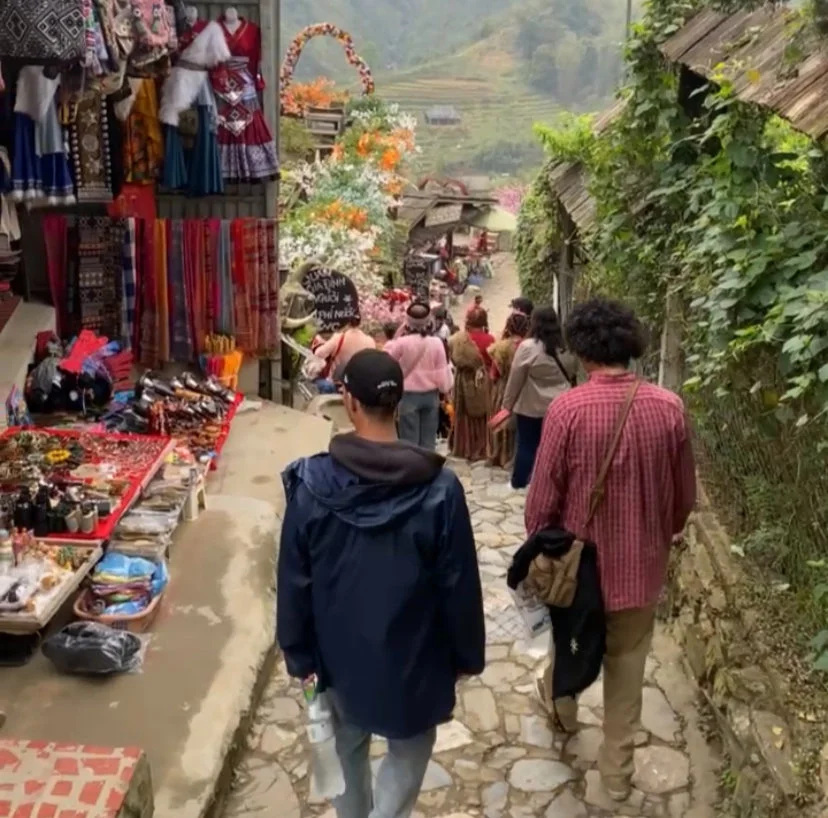
Why It Matters: Bartering is More Than Just a Bargain
Let’s be honest—if you can afford to travel across the world to Vietnam, then quibbling over 5,000 VND might not make a dent in your budget.
But for the vendor selling handcrafted trinkets or homemade snacks, that extra sale could be the highlight of their day.
So barter kindly. Bargain confidently. And most of all—barter with a heart.
Related article: Cultural Etiquette in Vietnam: 20 Dos and Don'ts for Respectful Travel.
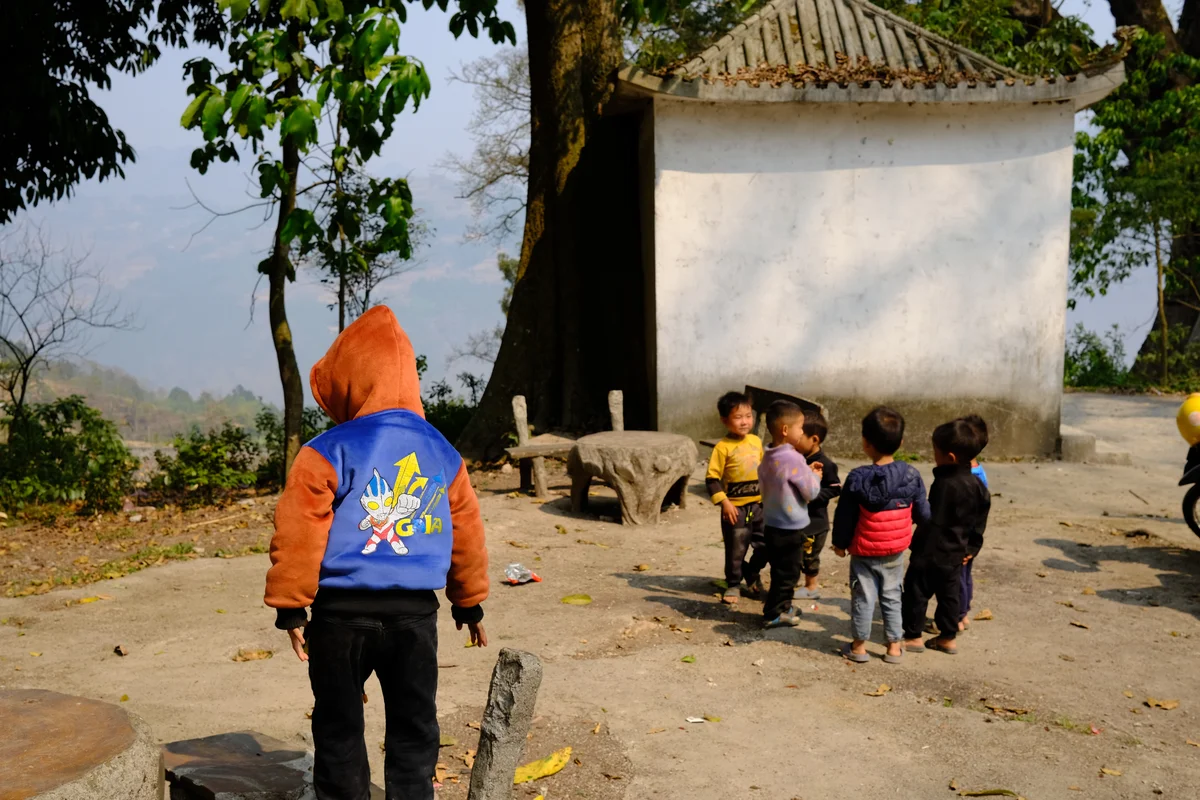
Wrapping It Up: Let’s Haggle and Roll!
You came. You saw. You bartered.
Whether you’re swapping bills for a handy poncho in Meo Vac or bargaining for bánh mì on the streets of Hanoi, learning how to barter in Vietnam can transform your shopping adventures from stressful to successful.
So channel your inner negotiator, arm yourself with a grin and a few phrases, and get ready to haggle your way to some unforgettable deals.
Happy haggling!
About Faye Hilling
Travel writer and Vietnam explorer sharing authentic experiences and insider tips for discovering the beauty of Vietnam.