

Winter Weather on the Ha Giang Loop: What it's Really Like in 2026

If you’ve ever Googled “Winter weather on the Ha Giang Loop” and been met with vague answers like “it’s cold but still nice”, you’re not alone.
Winter in Ha Giang has a bit of a reputation problem. Some travelers imagine snowstorms and frozen roads. Others assume it’s just summer without the sweat.
The truth sits somewhere in the middle.
Winter on the Ha Giang Loop is crisp, moody, photogenic, occasionally foggy, and wildly underrated. It’s the season of quiet roads, smoky village kitchens, and dramatic mountain light.
This guide breaks down exactly what winter weather on the Ha Giang Loop feels like, month by month, hour by hour, and layer by layer.
We’ll cover riding conditions, packing tips, food worth riding cold roads for, photography tips, and why winter might just be the Loop’s best-kept secret.
Winter Weather on the Ha Giang Loop at a Glance
Season: December–February
Day temps: 10–18°C
Night temps: 3–10°C (colder at altitude)
Fog: Common mornings, clears late morning
Best riding hours: 8:30am–4pm
Verdict: Cold, quiet, cinematic, worth it
When Is Winter on the Ha Giang Loop?
Winter in Ha Giang runs roughly from December through February, sometimes stretching its chilly fingers into late November or early March at higher elevations.
Since this is Vietnam’s far north, perched on a high limestone plateau, elevation changes everything.
While the rest of the country is coasting through mild weather, Ha Giang is quietly serving up single-digit mornings, misty passes, and evenings that demand a hot meal and an extra blanket.
Important thing to know it rarely snows, but it absolutely gets cold.
For snow in Vietnam, click here: 6 Places to See Snow in Sapa this Winter: A Comprehensive Guide.
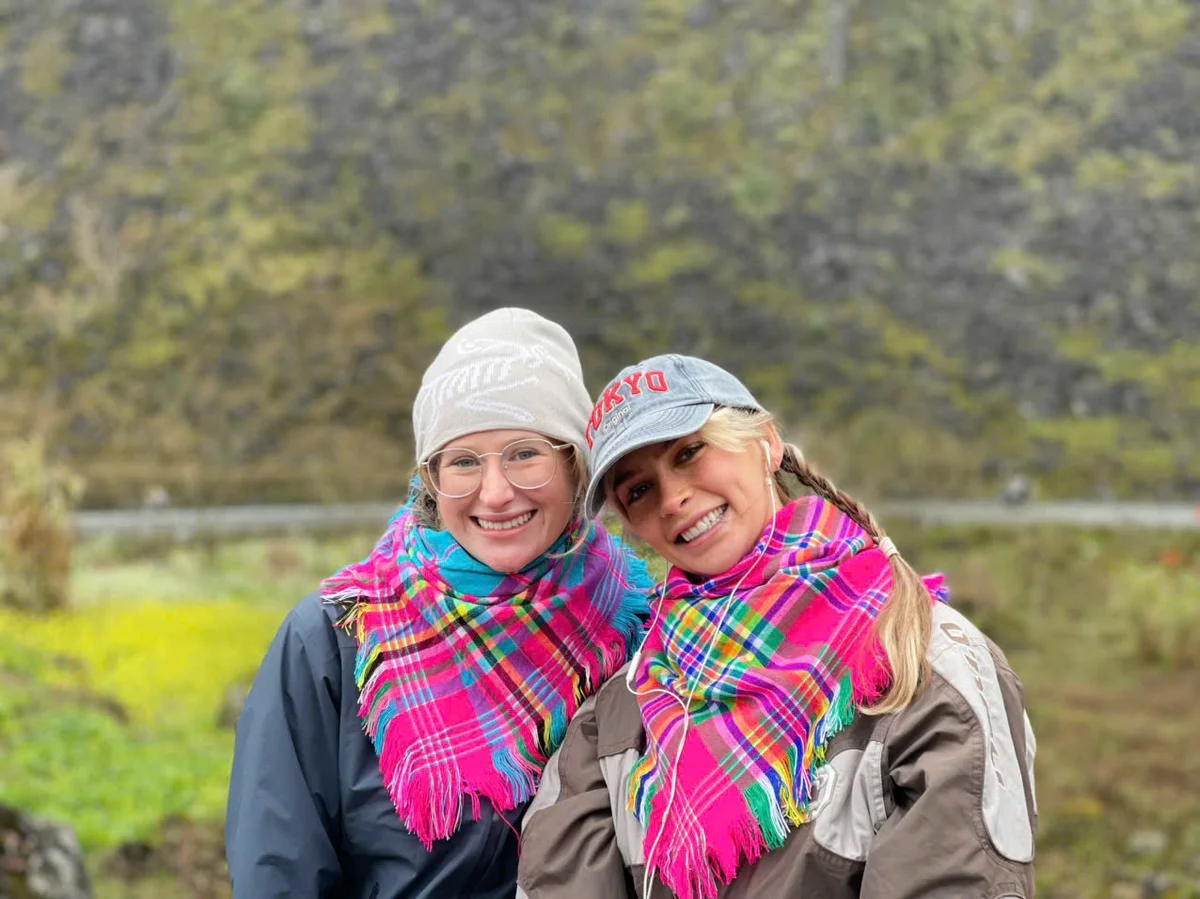 Remember to bring a scarf if you're doing the Ha Giang Loop in Winter
What Winter Weather on the Ha Giang Loop Actually Feels Like
Let’s get specific.
Temperatures in Ha Giang
Winter weather on the Ha Giang Loop is defined by contrast.
Early mornings & nights: Often between 3–10°C, and yes, it can dip close to freezing in places like Dong Van and Meo Vac.
Daytime riding: Usually warms up to 10–18°C, especially once the sun breaks through.
Wind factor: High mountain passes add a biting wind that makes everything feel a few degrees colder.
You’ll likely start the day bundled up like you’re heading into battle… then begin peeling off a few layers around lunchtime.
Sky & Visibility on the Road
Winter mornings often begin wrapped in fog or low cloud. This isn’t a bad thing—just a patience game.
Early hours: Misty, atmospheric, low visibility
Late morning onward: Fog and clouds lifts, views break through beneath
Rain: Light drizzle is possible, but heavy downpours are rare
Winter rewards travelers who don’t rush. Give the mountains time to wake up.
Daylight Hours: Smart Planning
Days are shorter in winter, which matters on the Loop.
Expect fewer daylight hours
Build in a 60–90 minute buffer each day
Ride strictly during daylight (roughly 8:00 am – 4:00 pm)
Night riding in winter is a hard no. Fog, cold, animals, and hairpin bends don’t mix well after sunset.
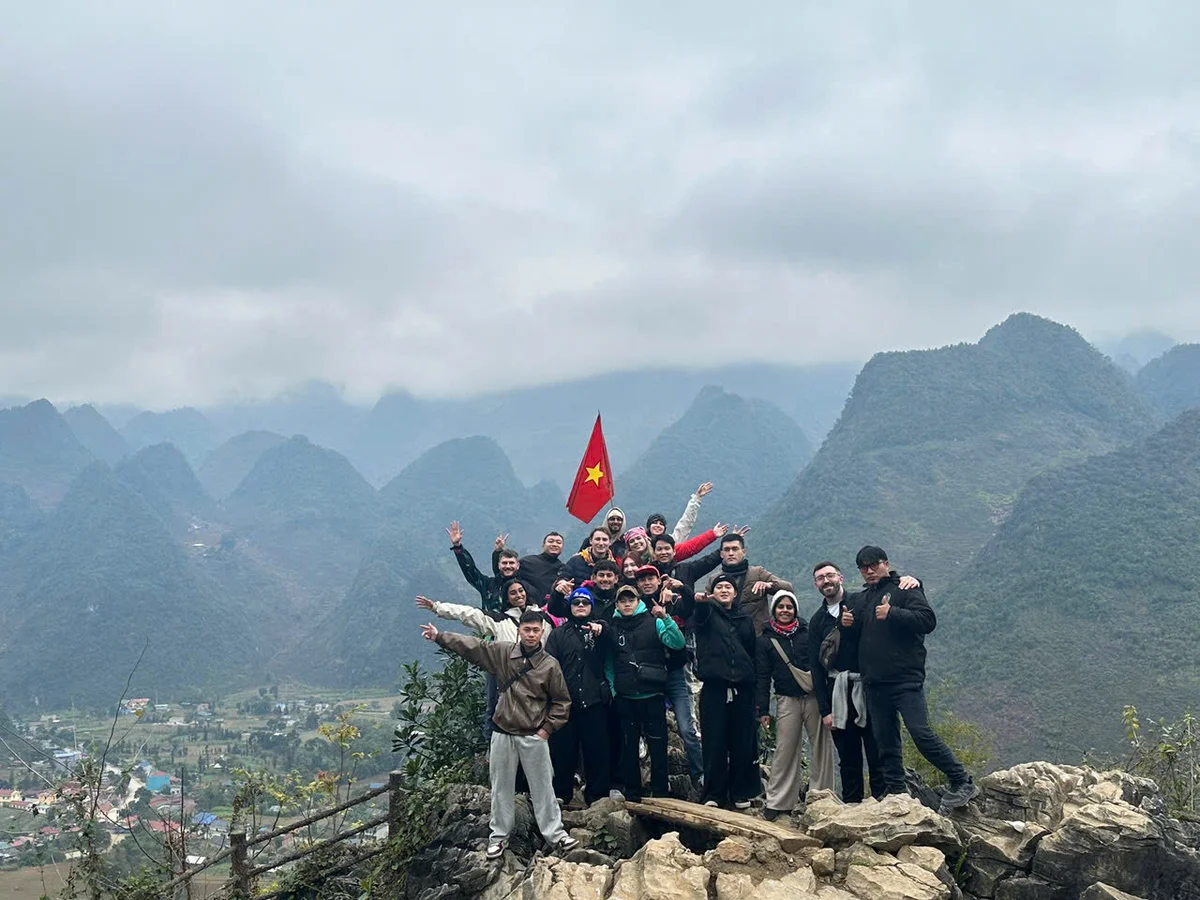 There's still plenty to see even in winter on the Loop
Month-by-Month Breakdown of Winter Weather on the Ha Giang Loop
December: The Entry into Winter
December is early winter and one of the most pleasant months to ride during this season.
Cool but not brutal temperatures
Quiet roads outside holiday weeks
A mix of misty mornings and blue-sky afternoons
It’s cold enough to warrant a few extra layers but still forgiving if you’re new to winter riding.
January: Peak Winter on the Loop
January is the coldest month of the year.
Frequent morning fog
Frost can appear at high elevations
Visibility improves later in the day
Ma Pi Leng Pass in January is a lesson in patience. Take it slow and you’ll be rewarded with some of the most dramatic views of the year.
February: Winter Loosens Its Grip
February signals the slow shift toward spring.
Slightly warmer days
Peach and cherry blossoms appear in highland villages
Wind is still sharp, especially on passes
Late winter is stunning, but keep an eye on Tet Holiday (Vietnamese New Year), as services can slow down around that period.
For more on Tet services, click here: Why You Should Rethink Your Trip to Vietnam During Tet (Lunar New Year).
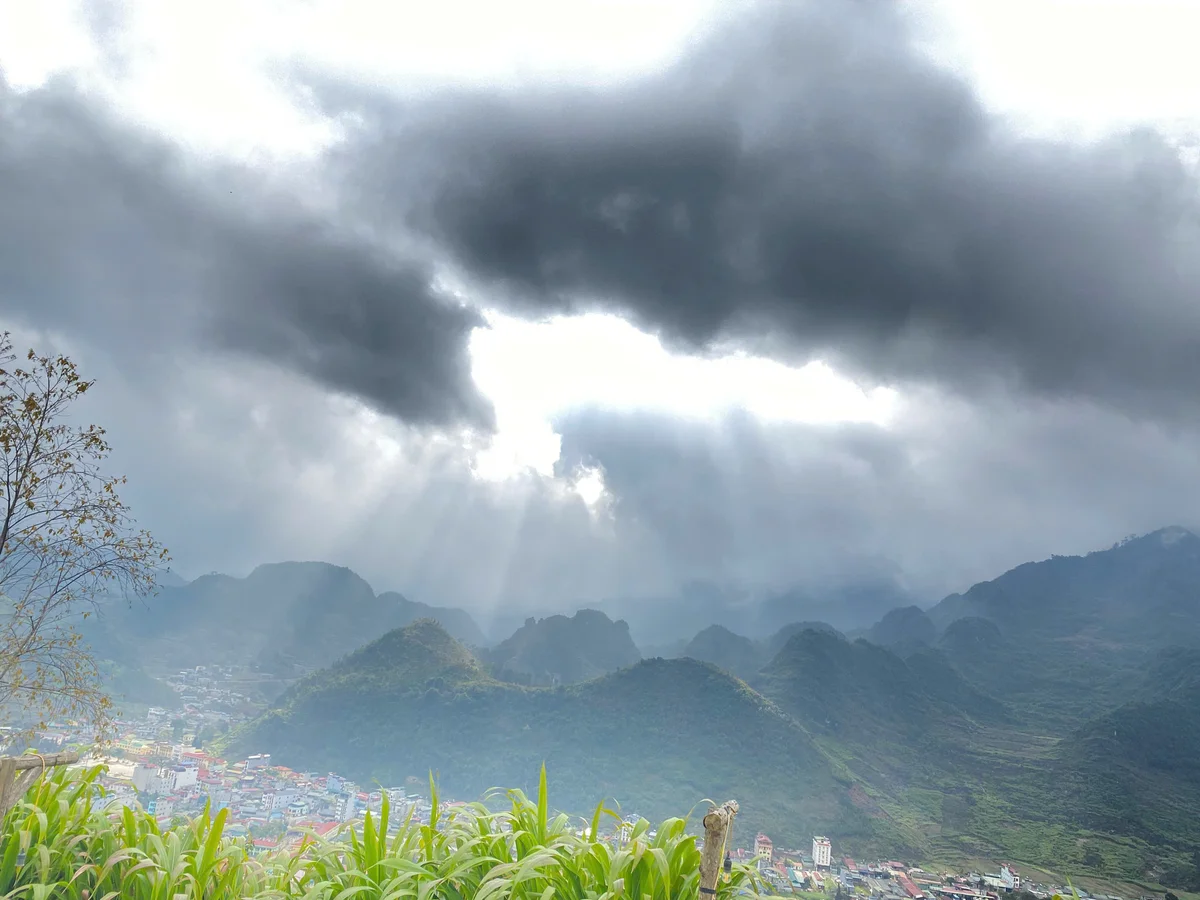
Why Winter Is a Good Time to Ride the Ha Giang Loop
1. Fewer Crowds
Winter is low season, which means:
Quieter roads, fewer tourists around
Easier accommodation availability
A more personal experience with local communities
You’re not fighting for a picture at viewpoints or squeezing into coffee shops. It’s just you, the road, and the mountains.
2. Cinematic Landscapes
Winter weather on the Ha Giang Loop creates light you simply don’t get in other seasons.
Low sun angles carve shadows into limestone peaks. Fog rolls through valleys like a slow-motion special effect.
Related article: 12 Best Photo Spots on the Ha Giang Loop (With Map Pins and 15+ Photography Tips).
3. Cooler Riding Temperatures
No sweaty helmets. No mid-ride exhaustion.
When visibility is good, winter offers some of the most comfortable riding conditions of the year—as long as you prepare for the cold.
4. Seasonal Culture & Festivals
Winter is festival season for many ethnic minority groups.
You might stumble upon:
Local markets
Traditional celebrations
Villages gathering around shared meals and fires
It feels less staged and more lived-in.
For ethnic minority villages, click here: Discover 9 Must-Visit Local Ethnic Villages on the Ha Giang Loop (Plus 1 Secret Village with Bong Hostel).
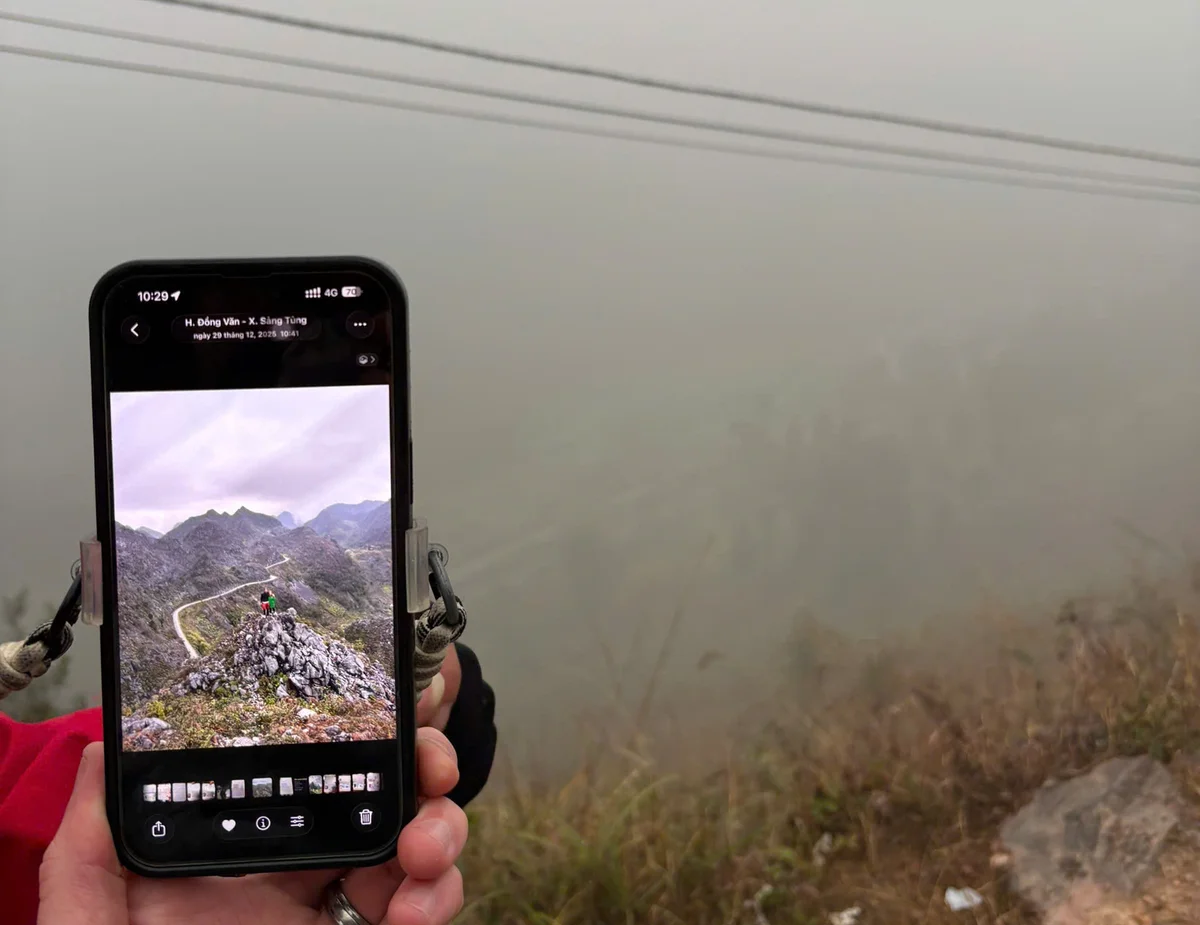 Sometimes limited visibility might require you to use your imagination at viewpoints...
Ha Giang Loop Seasons Compared
If you’re not sure when the best time of year is for you to do the Ha Giang Loop, let’s break it down by season:
Season
Weather Conditions
Pros
Cons
Best For
Winter (Dec–Feb)
Cold, dry, foggy mornings
Clear mountain views, fewer tourists, dramatic scenery
Cold temperatures, reduced visibility
Experienced riders, Easy Riders, photographers
Spring (Mar–Apr)
Mild, dry, blooming landscapes
Flowers, comfortable riding temps, clear roads
Increasing crowds
First-time riders, scenery lovers
Summer (May–Aug)
Hot, humid, frequent rain
Lush green mountains, waterfalls
Landslides, slippery roads, storms
Confident riders, off-peak travellers
Autumn (Sep–Nov)
Cool, dry, stable
Best overall riding conditions, golden rice terraces
Peak season crowds
Everyone—especially first-timers
Tips for Navigating Winter Weather on the Ha Giang Loop
1. Group Tours Make Winter Easier
Winter isn’t the time to wing it.
Joining a group tour with Bong Hostel means:
No route stress
No fuel anxiety
No international license fumbles
No hunting for mechanics
No worrying about extra blankets or spring rolls—we’re already on it!
Just ride, eat, warm up, repeat.
2. Layer your Clothing
Winter riding is all about smart layering.
Thermal vest
Thermal base layer
Warm mid-layer (fleece)
Light down jacket
Windproof outer shell
Gloves (non-negotiable)
Beanie hat and scarf or neck gaiter
Fleece socks over cotton socks are a plus
Cold hands ruin good rides. Protect them.
3. Bike Readiness Matters More in Winter
Fog and damp roads mean:
Good tyres
Reliable brakes
Working headlights
At Bong Hostel, bikes are winter-checked so you’re not playing mechanic out on the road.
4. Eat & Drink Like It’s Your Job
Cold weather burns energy.
Stay hydrated and lean into Ha Giang’s comfort food scene:
Steaming pho
Sticky rice
Grilled meats
Family-style dinners hit differently after a cold ride
Happy Water over beer (it’ll warm you up a treat!)
Top tip: A daily ginger–honey–lemon tea does wonders for winter sniffles.
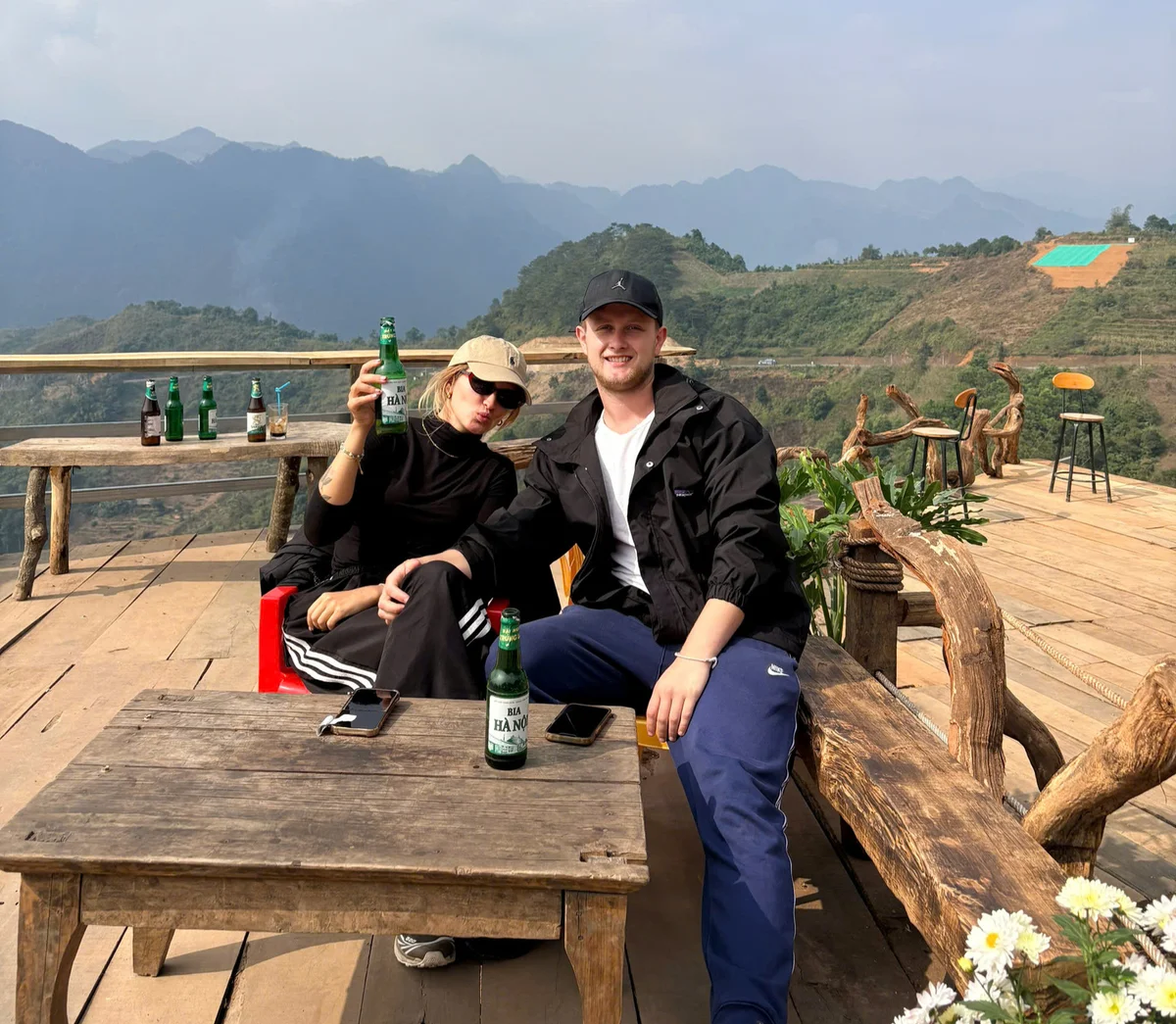 Yes, there can still be sunshine during winter on the Ha Giang Loop
Must-See Winter Landscapes on the Ha Giang Loop
Winter weather on the Ha Giang Loop makes every corner worth stopping for. Here’s a condensed round-up of our top spots:
Quan Ba Heaven Gate: Panoramic views of Tam Son Valley cloaked in winter mist. Snap the Twin Mountains, sip a hot Vietnamese coffee, and pretend you’re in a painting.
Lung Tam Linen Village: Frost-tipped rooftops and smoke curling from chimneys make this Hmong artisan village look like a storybook. Buy a handmade scarf and support local craft.
Hang Lung Khuy Cave: Stalactites and stalagmites glitter in the winter light. A short, frosty hike gets you inside this geological palace.
Tham Ma Pass: Winding roads and hairpins framed by frosty landscapes. Stop for hot tea and roasted chestnuts along the way.
Ma Pi Leng Pass: Fog rolling over cliffs, the Nho Que River glinting below, and a steaming coffee in hand.
Khe Lia Panorama: A short climb from a roadside viewpoint rewards you with sweeping vistas of Dong Van to Lung Cu.
Ma Pi Leng Skypath: Narrow cliff-edge path offering heart-stopping views of the pass below. A walk worth taking for the adrenaline and photos.
Du Gia Waterfall: Perfect for photos and enjoying the crisp air. You might need your coat rather than a swimsuit in winter, but the scenery is unbeatable.
Tu San Canyon and Nho Que River: Deepest canyon in Southeast Asia. Winter boat trips on the Nho Que River offer emerald-water reflections and epic photography.
Dong Van Old Quarter at Night: Come evening, the Old Quarter lights up with fire and dance shows. A magical, warm way to end a chilly winter day.
These are just some of the best winter landscapes to see on the Ha Giang Loop. But Bong Hostel will also make a few additions depending on what leader you have!
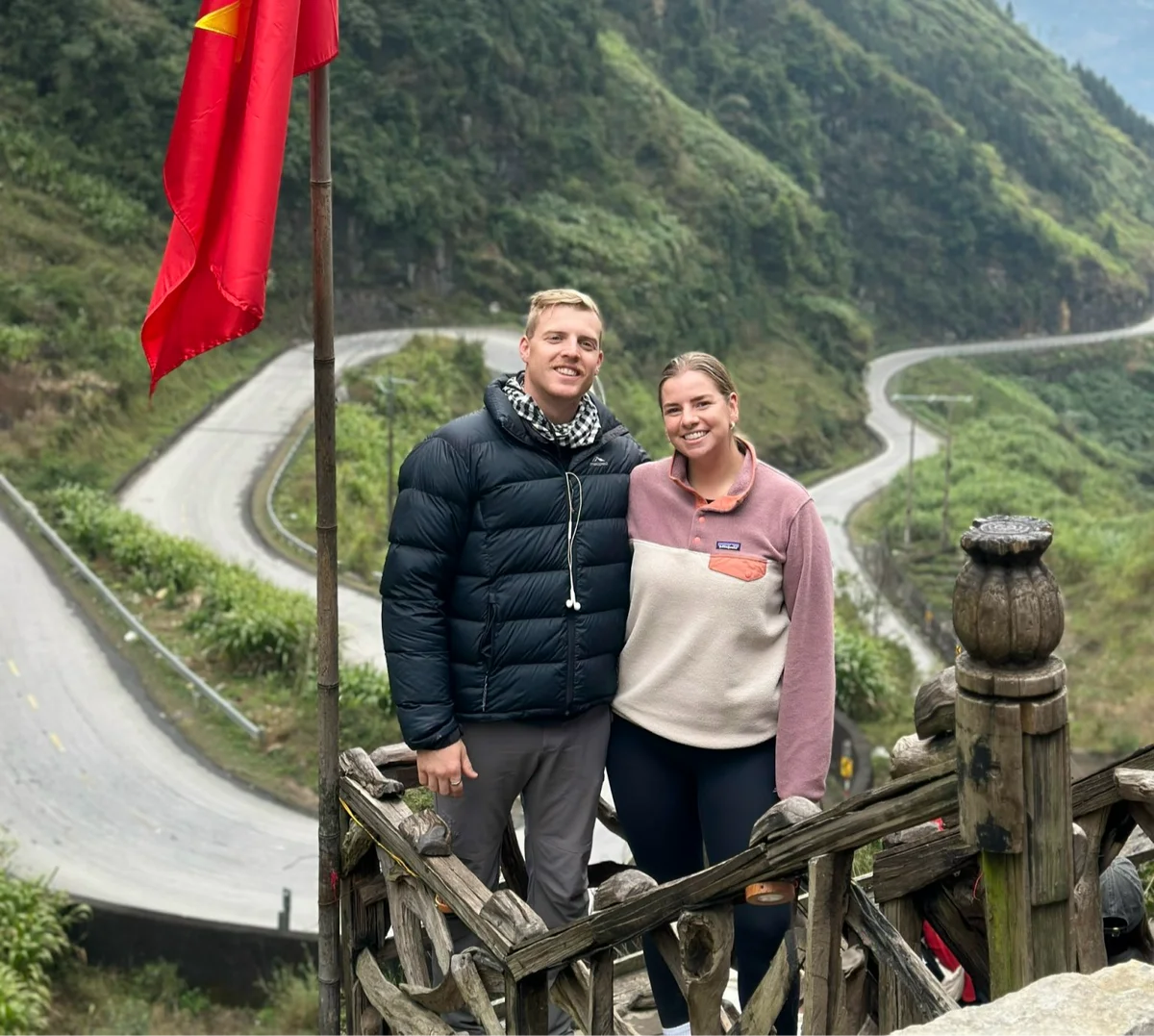 Tham Ma Pass is a highlight in all seasons
Winter Weather Packing Guide for the Ha Giang Loop
Here is a more detailed breakdown of what to pack for the Ha Giang Loop during the winter season.
Warm Clothing Essentials
Thermal base layers
Insulating mid-layer
Windproof jacket
Thick socks
Gloves & hat
Riding Gear
Certified helmet (Bong provides all helmets and rain protection)
Long sleeves & pants
Sturdy shoes or trainers
Compact rain jacket
A neck gaiter keeps your face warm under a helmet
Daily Essentials
Sunscreen (yes, even in winter)
Sunglasses
Lip balm
Refillable water bottle
Small cash notes
Tech & Documents
Phone mount (for self-riders)
Power bank (cold drains batteries)
License + IDP (for self-riders)
Travel insurance details
Passport (or a photocopy for homestay check-ins)
For a more detailed packing list, click here: How to Pack for the Ha Giang Loop in Winter.
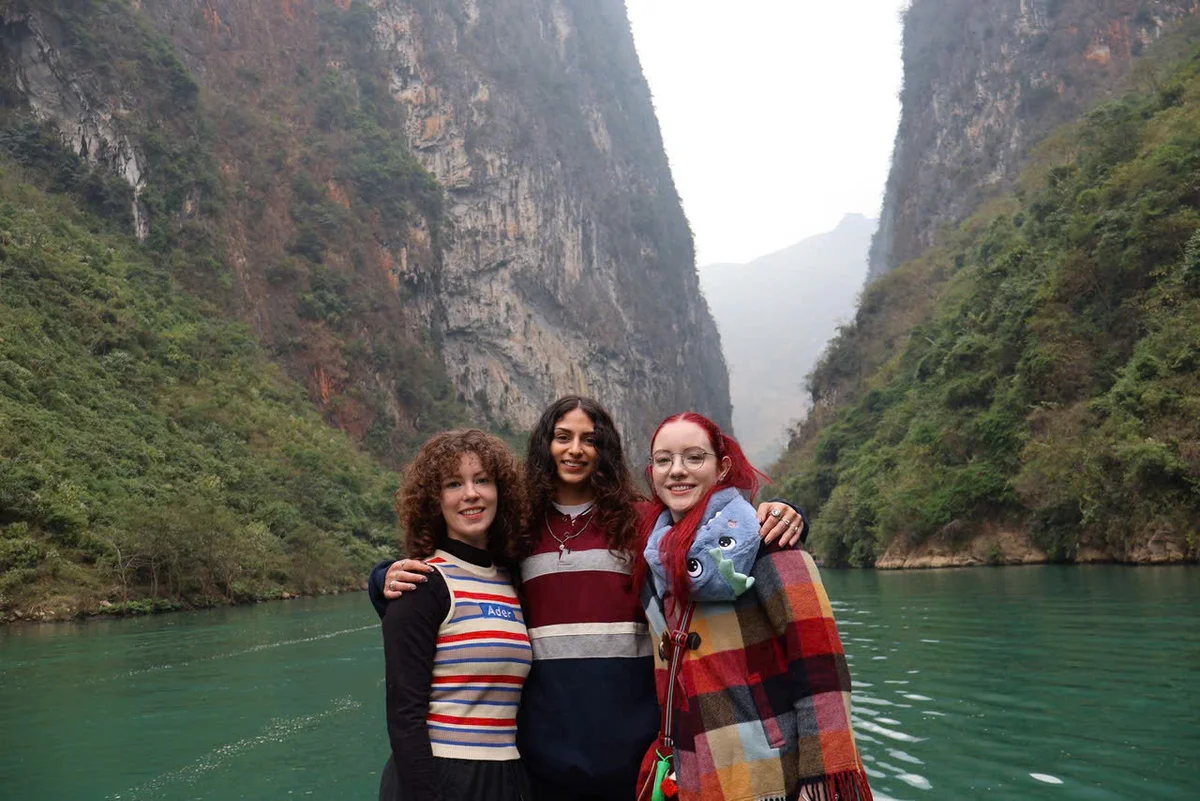 Wrap up warm for a Nho Que River boat trip
Winter Food: Ha Giang’s Cold-Weather Comfort Menu
Winter brings out Ha Giang’s best dishes.
Au Tau Porridge
Rich, slightly bitter, deeply warming. A winter-only speciality worth trying somewhere reputable.
Buckwheat Cakes
Soft, lightly sweet, best eaten warm with honey.
Smoked Buffalo Meat
Salty, smoky, perfect with a sip of corn wine.
Banh Chung
This is particularly eaten around Tet Holiday and is made with green bean, sticky rice, and pork.
Corn Wine
Potent, homemade, and not to be underestimated.
This is honestly a Ha Giang Loop necessity all year-round, but in the winter it’ll warm you up in the evening like nothing else.
Bonus Traditional Dish
Thang Co is a traditional Hmong stew enjoyed at markets. Bold, communal, and warming from the inside out. It's made with horse meat and is typically not advised for tourists.
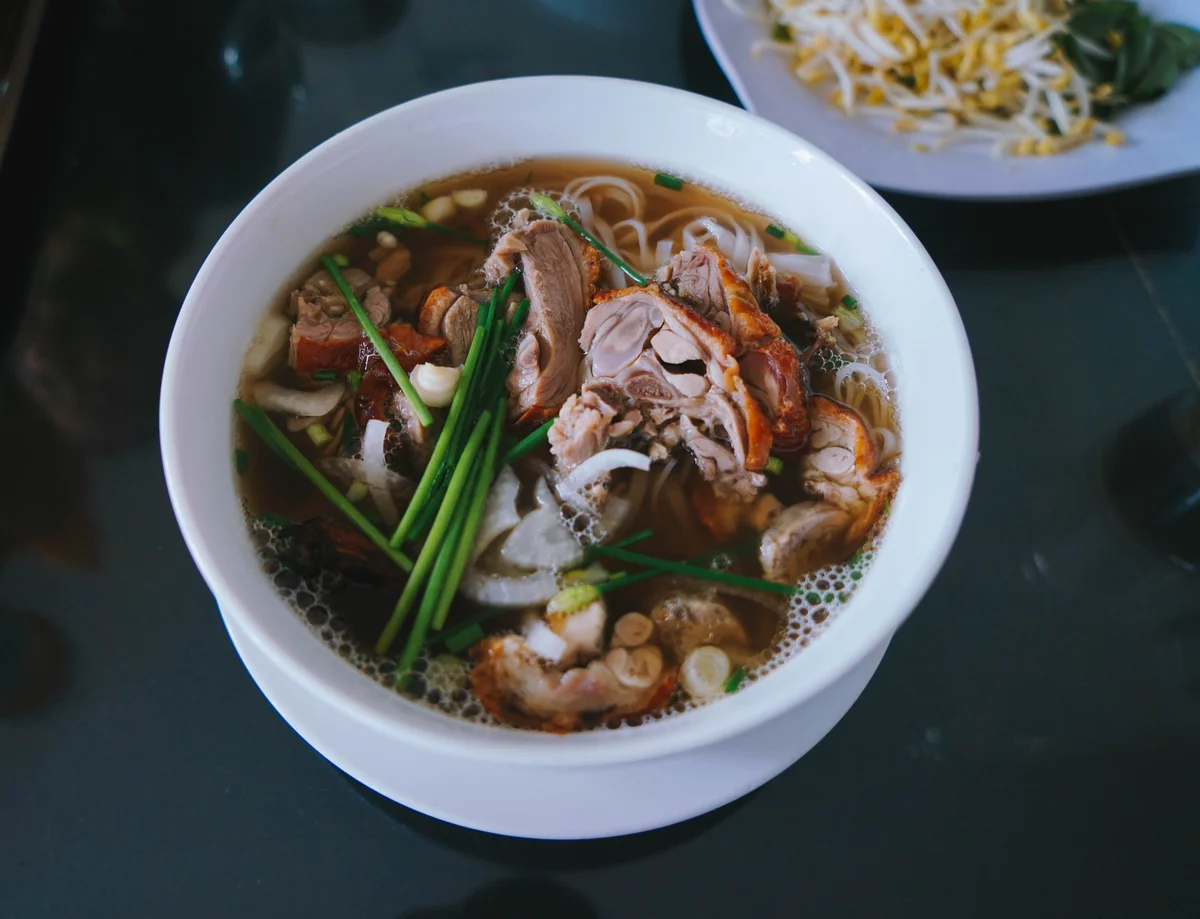 Warm up during winter on the Loop with a hearty pho
Photography Tips for Winter on the Ha Giang Loop
Winter is a great time to do the Ha Giang Loop for photography enthusiasts.
Timing Your Shots
Late morning: fog starts lifting
Late afternoon: golden side-light
Best Winter Photo Spots
Ma Pi Leng Pass
Quan Ba Twin Mountains
Dong Van Old Quarter
Lung Cu Flag Tower
Nho Que River
Pro Tips
Keep spare batteries warm
Use a microfiber cloth for lens fog
Photograph people as much as landscapes (but always with permission)
Steam from noodle pots and villagers in winter dress tell stories landscapes can’t.
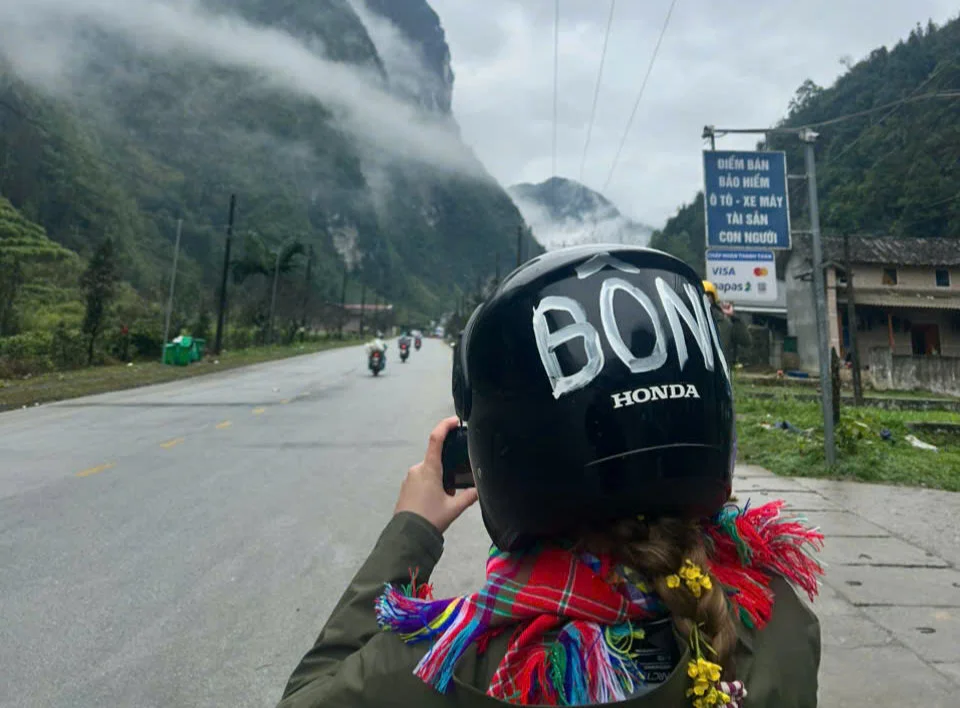 Winter weather creates moody backdrops for avid photographers
FAQs: Winter Weather on the Ha Giang Loop
Q. Is winter a good time to ride the Ha Giang Loop?
A. Yes—if you’re prepared. Winter (December–February) offers clearer mountain views, quieter roads, and dramatic landscapes. The trade-off is cold temperatures, foggy mornings, and the need for proper gear and planning.
Q. How cold does it get on the Ha Giang Loop in winter?
A. Daytime temperatures usually range from 8–15°C, but wind chill at altitude can make it feel much colder. Early mornings and nights can drop close to 0–5°C, especially around Dong Van and Meo Vac.
Q. Does it rain a lot in winter?
A. No. Winter is one of the driest seasons on the Loop. You’re far more likely to deal with cold air and fog than heavy rain.
Q. Is fog dangerous when riding?
A. Fog itself isn’t dangerous, but poor visibility is. This is why daylight riding (roughly 8:00 am – 4:00 pm), slower speeds, and group tours are strongly recommended in winter.
Q. Can beginners ride the Ha Giang Loop in winter?
A. Winter is not beginner-friendly. Cold hands, fog, and reduced reaction time make conditions tougher than other seasons. Beginners are safest choosing an Easy Rider or a fully supported group tour.
Q. What’s the best month in winter to ride?
A. January often has the clearest skies but coldest mornings. December is slightly warmer, while February can be unpredictable with mist and early spring transitions.
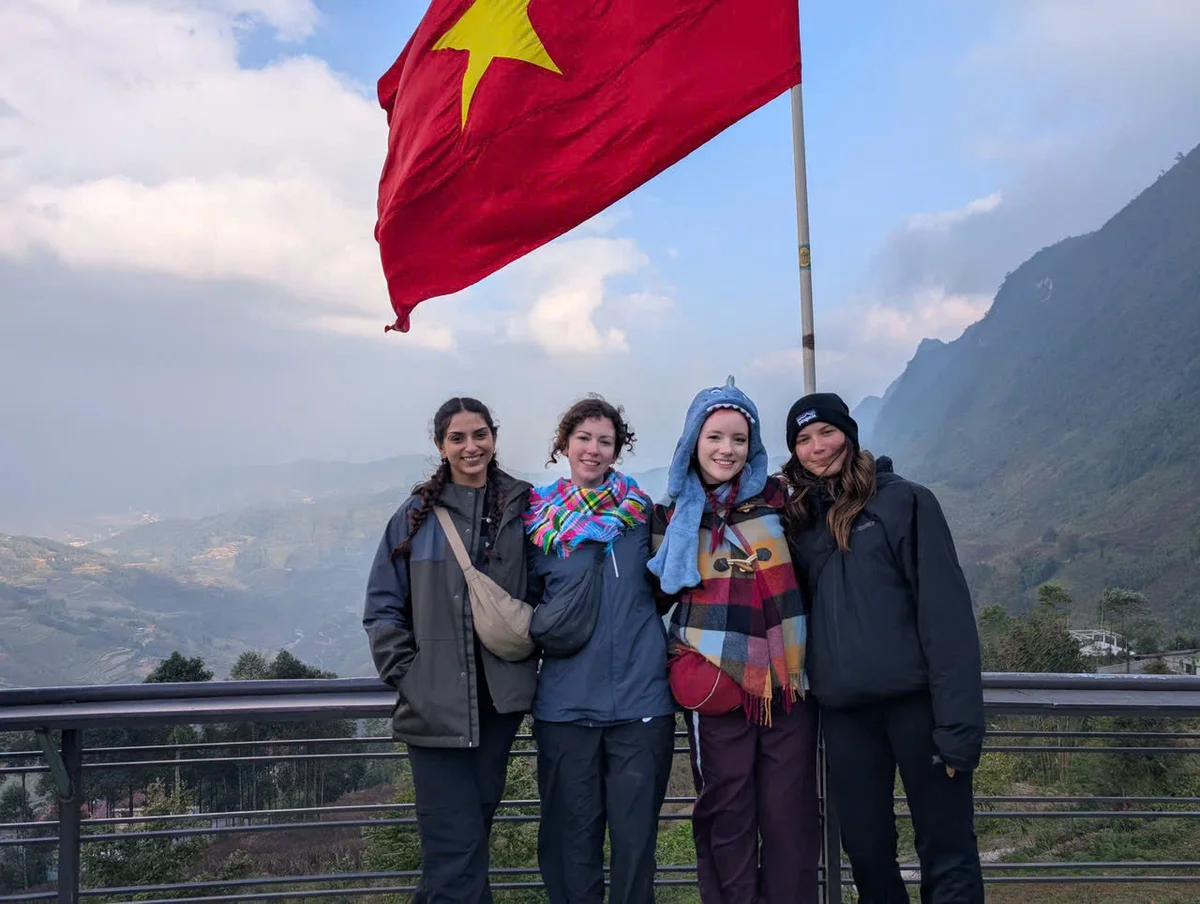 Winter on the Loop is still a fun and worthwhile experience!
Final Thoughts: Is Winter Weather on the Ha Giang Loop Worth It?
Absolutely.
Winter weather on the Ha Giang Loop is cold, yes—but it’s also quieter, more atmospheric, and deeply rewarding.
It asks for patience, preparation, and a good jacket. In return, it offers some of the most memorable riding days Vietnam has to offer.
Thinking of riding the Ha Giang Loop this winter?
Join a Bong Hostel winter group tour and let our local leaders handle the cold mornings, foggy passes, warm homestays, and hearty meals—so you can focus on the views, not the logistics.
About Faye Hilling
Travel writer and Vietnam explorer sharing authentic experiences and insider tips for discovering the beauty of Vietnam.